Stanford Accelerated Intelligent Neuromodulation Therapy (SAINT)
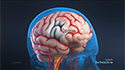
Stanford Accelerated Intelligent Neuromodulation Therapy (SAINT) is a treatment protocol developed by researchers at Stanford University for treating depression. It is an enhanced form of repetitive transcranial magnetic stimulation (rTMS), a non-invasive method that uses magnetic fields to stimulate nerve cells in the brain to improve symptoms of depression. SAINT modifies traditional rTMS by utilizing advanced imaging techniques to target brain regions more precisely and by accelerating the treatment protocol.
Key Features of SAINT:
- Precision Targeting: SAINT uses advanced imaging, such as MRI, to locate specific areas of the brain associated with mood regulation, allowing for more accurate targeting of the areas to be stimulated.
- Accelerated Protocol: Traditional rTMS treatments typically require daily sessions over several weeks. SAINT condenses these sessions into a much shorter period, often completing the entire course within a few days.
- Intensity and Frequency: SAINT delivers magnetic pulses at a higher frequency and intensity compared to standard rTMS protocols, which may contribute to its effectiveness in quickly alleviating symptoms of depression.
Indications
Stanford Accelerated Intelligent Neuromodulation Therapy is indicated for individuals who have not achieved satisfactory improvement in their depressive symptoms, such as those with significant functional impairment, suicidal ideation, or persistent low mood, despite trying other treatment modalities like psychotherapy and multiple antidepressant medications. SAINT's accelerated treatment schedule makes it particularly suitable for individuals who require rapid relief from their depressive symptoms, such as those at risk of self-harm or hospitalization.
Preparation
In general, preparation for Stanford Accelerated Intelligent Neuromodulation Therapy may include the following:
- A thorough evaluation by a healthcare provider, including a psychiatrist and possibly a neurologist. The evaluation includes a review of medical history, current medications, previous treatments for depression, and assessment of depressive symptoms and their severity.
- Neuroimaging studies, such as functional magnetic resonance imaging (fMRI) or positron emission tomography (PET) to identify brain regions associated with mood regulation.
- EEG monitoring to record brain activity and identify patterns that can guide the personalized neuromodulation therapy.
- Your provider will explain the treatment in detail, including its potential benefits, risks, and side effects, and obtain your informed consent before proceeding.
Procedure
In general, the procedure for Stanford Accelerated Intelligent Neuromodulation Therapy may involve the following steps:
- Based on the evaluation and neuroimaging findings, a personalized treatment plan is developed for the patient.
- The treatment plan includes the specific brain regions to target with transcranial magnetic stimulation (TMS) and the parameters for TMS pulse delivery.
- The patient will undergo TMS sessions according to the accelerated treatment schedule of SAINT, which often involves multiple daily sessions over a shorter duration.
- During each TMS session, the patient is seated comfortably, and a magnetic coil is placed on the scalp over the targeted brain region.
- The TMS device delivers magnetic pulses to stimulate nerve cells in the brain, modulating neural activity in the targeted areas.
- EEG monitoring is used during TMS sessions to provide real-time feedback on brain activity.
- Advanced algorithms analyze EEG data to adjust the intensity, frequency, and timing of TMS pulses, optimizing the therapeutic effects based on individual brain responses.
Post-procedure care
Patients are usually observed for a short period after the treatment session to ensure there are no immediate adverse effects. Most individuals can resume their normal activities shortly after the treatment. Follow-up appointments are scheduled to track the patient's progress over time. These check-ins help ensure the sustained effectiveness of the treatment and address any emerging issues. Medication management, psychotherapy and counselling, and lifestyle modifications are typically recommended to support overall well-being and mood stability.
Risks and Complications
Generally, SAINT is considered safe and well-tolerated. However, it can cause some temporary side effects, such as:
- Mild pain or discomfort in the treatment area
- Muscle twitching
- Jaw pain
- Fatigue
- Headaches
Summary
It is important to note that Stanford Accelerated Intelligent Neuromodulation Therapy (SAINT) is a specialized and advanced neuromodulation technique that requires expertise in neuroimaging, EEG analysis, and TMS technology. Patients considering SAINT should seek evaluation and treatment from specialized centers or institutions with experience in this therapy. The goal of SAINT is to provide a more effective and efficient treatment option for individuals with depression by tailoring the neuromodulation therapy to their unique brain activity patterns. It combines advanced neuroimaging techniques, computational algorithms, and TMS technology, to create a personalized and rapid-acting intervention for depression.