Attention Deficit Hyperactivity Disorder (ADHD)
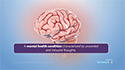
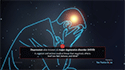
ADHD or Attention Deficit Hyperactivity Disorder, is a neurodevelopmental disorder that affects both children and adults. It is characterized by persistent patterns of inattention, hyperactivity, and impulsivity that interfere with functioning or development.
Types
There are three main types of ADHD:
- Inattentive ADHD – previously known as ADD involves symptoms of lack of attentiveness and concentration
- Hyperactive-impulsive ADHD – involves symptoms of over-activity paired with impulsivity without problems with attentiveness
- Combined ADHD – involves symptoms of both lack of attentiveness and over-activity/impulsivity
Causes
The exact cause of ADHD is unknown, but it is believed to involve a combination of genetic, environmental, and neurological factors. Risk factors include:
- Family history of ADHD or other mental health disorders.
- Exposure to environmental toxins (for example, lead) as a fetus or at a young age.
- Premature birth.
- Low birth weight.
Signs and Symptoms
The symptoms of ADHD are generally grouped into two categories: inattention and hyperactivity/impulsivity.
Symptoms of Inattention:
- Difficulty sustaining attention in tasks or play activities
- Frequent careless mistakes in schoolwork, work in general, or during other activities
- Often does not seem to listen when spoken to directly
- Difficulty organizing tasks and activities
- Avoids or is reluctant to engage in tasks that require sustained mental effort
- Often loses things necessary for tasks and activities
- Easily distracted by extraneous stimuli
- Forgetful in daily activities
Symptoms of Hyperactivity and Impulsivity:
- Fidgeting with or tapping the hands or feet, or squirming while seated
- Leaving one’s seat in situations where remaining seated is expected
- Running or climbing in situations where it is inappropriate
- Inability to play or engage in leisure activities quietly
- Often "on the go" or acting as if "driven by a motor"
- Talking excessively
- Blurting out answers before a question has been completed
- Difficulty waiting for one's turn
- Interrupting or intruding on others
Diagnosis
ADHD is diagnosed based on the presence of symptoms and their impact on an individual's functioning. The criteria for diagnosis are outlined in the Diagnostic and Statistical Manual of Mental Disorders (DSM-5). A comprehensive evaluation typically involves:
- Clinical interviews with the patient and their family.
- Behavior rating scales and checklists.
- Medical examination to rule out other conditions.
Treatment
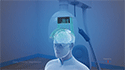
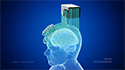
ADHD treatment typically involves a combination of behavioral therapies, medication, and lifestyle changes.
Medications:
- Stimulants (for example, methylphenidate, or amphetamines) are the most commonly prescribed medications and are effective for many individuals.
- Non-stimulants (for example atomoxetine or guanfacine) may be used when stimulants are ineffective or cause significant side effects.
Behavioral Therapies:
- Cognitive-behavioral therapy (CBT) helps individuals develop coping strategies and organizational skills.
- Parent training and education programs can help families manage symptoms and improve functioning.
Lifestyle Changes:
- Structured routines and clear expectations
- Regular physical activity
- Healthy diet
- Adequate sleep
Summary
ADHD can affect various aspects of life, including academic performance, work, relationships, and daily functioning. Early diagnosis and intervention can help manage symptoms and improve outcomes for individuals with ADHD. Effective management of ADHD often requires ongoing monitoring and adjustments to treatment plans. Support from healthcare providers, educators, and family members is crucial for improving outcomes.