Post-Traumatic Stress Disorder
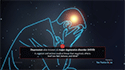
Post-traumatic stress disorder (PTSD) is a mental health condition that can develop after a person has been exposed to a traumatic event. Symptoms of PTSD may include flashbacks, nightmares, severe anxiety, and uncontrollable thoughts about the event. Individuals with PTSD may also experience emotional numbness, avoidance of reminders of the trauma, and increased arousal such as difficulty sleeping and irritability. PTSD can cause significant distress and interfere with a person's ability to function in daily life.
Causes
Post-traumatic stress disorder can result from experiencing, witnessing, or even learning about a traumatic event. These can include:
- Terrorist attacks
- Combat in a war zone
- Gun violence
- Natural disasters
- Physical or sexual assaults
- Serious accidents or illness
- Death of a loved one
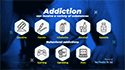
You may be more likely to develop PTSD after a traumatic incident if you have a history of other mental health disorders, have a family history of mental health disorders, or have a history of drug or alcohol abuse.
Signs and Symptoms
Symptoms of PTSD are generally grouped into four types:
Intrusive Memories:
- Recurrent, unwanted distressing memories of the traumatic event.
- Reliving the traumatic event as if it were happening again (flashbacks).
- Upsetting dreams or nightmares about the traumatic event.
- Severe emotional distress or physical reactions to something that reminds you of the event.
Avoidance:
- Trying not to think or talk about the traumatic event.
- Avoiding places, activities, or people that remind you of the traumatic event.
Negative Changes in Thinking and Mood:
- Negative thoughts about yourself, other people, or the world.
- Hopelessness about the future.
- Problems with memory, including not remembering important aspects of the traumatic event.
- Difficulty maintaining close relationships.
- Feeling detached from family and friends.
- Lack of interest in activities you once enjoyed.
- Difficulty experiencing positive emotions.
- Feeling emotionally numb.
Changes in Physical and Emotional Reactions (also called Arousal Symptoms):
- Being easily startled or frightened.
- Always being on guard for danger.
- Self-destructive behavior, such as drinking too much or driving too fast.
- Trouble sleeping.
- Trouble concentrating.
- Irritability, angry outbursts, or aggressive behavior.
- Overwhelming guilt or shame.
Diagnosis
A diagnosis of PTSD will be made based on a detailed psychological evaluation of your symptoms and a specially designed interview. Your doctor may also perform a complete medical history, physical examination, and order lab tests to rule out other conditions that might be causing your symptoms.
To be diagnosed with PTSD, you should have all of these symptoms for at least one month:
- At least two cognition and mood symptoms
- At least one avoidance symptom
- At least two arousal and reactivity symptoms
- At least one re-experiencing symptom
Treatment
PTSD can be treated through a variety of methods, often involving a combination of therapies:
Psychotherapy (Counseling):
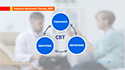
- Cognitive-Behavioural Therapy (CBT): This therapy focuses on changing the thought processes and patterns that are associated with the traumatic event.
- Prolonged Exposure Therapy: This therapy involves helping the patient to confront the cause of their fear in a controlled and safe environment.
- Psychodynamic Therapy: This therapy involves removing the root cause of the trauma experienced by a patient.
- Group Therapy: This therapy involves allowing a patient to share thoughts and issues with a group of people who have experienced similar traumatic events.
- Eye-Movement Desensitization and Reprocessing (EMDR) Therapy: This is an experimental therapy that focuses on relieving the distress caused by the trauma by making specific side-to-side eye movements while recalling the traumatic event.
Medications:
The various medications that may be prescribed to help treat PTSD include:
- Selective serotonin reuptake inhibitors (SSRIs)
- Tricyclic antidepressants
- Mood stabilizers
- Atypical antipsychotics
Coping Strategies
In addition to professional treatment, self-care strategies can be helpful. These include:
- Reaching out for support: Connecting with family and friends can provide emotional support.
- Engaging in physical activity: Exercise can help reduce stress and anxiety.
- Practicing mindfulness and relaxation techniques: Meditation, yoga, or deep-breathing exercises can provide a sense of calm or stillness.
- Maintaining a routine: Having a regular schedule can provide a sense of normalcy and control.
- Avoiding alcohol and drugs: Substance abuse can worsen symptoms and interfere with treatment.
Summary
Post-traumatic stress disorder or PTSD is a mental health disorder caused by very stressful, frightening or distressing events. If you or someone you know is struggling with PTSD, seeking help from a mental health professional is crucial. Early intervention can significantly improve outcomes.