Transcranial Magnetic Stimulation (TMS)
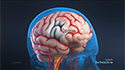
Transcranial Magnetic Stimulation (TMS) is an FDA-approved, non-invasive procedure commonly used to treat depression. Depression is a mental health disorder or mood disorder characterized by a constant feeling of sadness, or a loss of interest in the daily activities of life. TMS involves placing an electromagnetic coil against the scalp. The coil generates magnetic pulses that pass through the skull and stimulate nerve cells in the brain region involved in mood regulation and depression. It is called a "noninvasive" procedure because it is performed without using surgery or cutting the skin.
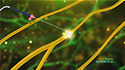
The brain cells in your brain and nerves (known as neurons) utilize very small amounts of electricity to convey and relay information throughout your brain and body. Bringing a magnet close to your brain can influence your brain’s electrical activity. This is how TMS targets specific segments of your brain, especially those connected to your emotions or mood, helping to improve symptoms of depression and a number of other mental health and neuropsychiatric conditions.
Indications
Transcranial magnetic stimulation is primarily used to treat major depressive disorder (MDD), including treatment-resistant depression, particularly in patients who have not responded to other treatments such as medication and psychotherapy.
In addition, TMS has also been FDA approved to treat other conditions such as obsessive-compulsive disorder (OCD), migraines, and addiction to smoking, when standard treatments such as medications have been ineffective.
Preparation
In general, preparation for transcranial magnetic stimulation may include:
- A detailed review of your medical history, including any history of seizures, brain injuries, or other neurological conditions.
- You should inform your provider of all medications and supplements you are taking. Some may need to be discontinued or adjusted before starting TMS.
- An MRI or EEG study will likely be conducted to map the brain and identify the optimal target areas for stimulation.
- You should avoid having any metallic objects on or near your head during the treatment. This includes eyeglasses with metal frames, jewelry, hairpins, and other accessories.
Procedure
In general, a transcranial magnetic stimulation session may involve the following steps:
- The patient is seated comfortably in a chair and remains awake throughout the procedure. Earplugs will be provided to reduce the noise from the TMS machine.
- An electromagnetic coil is placed against the patient's scalp, usually on the left side of the head. The precise placement is based on the earlier mapping.
- The TMS device generates magnetic pulses. These pulses pass through the skull and create electrical currents in the targeted brain area. The patient will hear clicking sounds and feel a tapping sensation on the scalp as the device delivers focused magnetic stimulation to the target area.
- Each TMS session lasts about 30-40 minutes. During this time, the magnetic pulses are delivered in sequences with short intervals between them.
- TMS therapy is typically administered five times a week for four to six weeks. The total number of sessions may vary depending on the individual's response to treatment.
Post-procedure care
There is no need for recovery time following a TMS session. You can immediately return to your normal activities, including driving. Periodic assessments are conducted to monitor the patient's progress. Adjustments to the treatment plan may be made based on the patient’s response and any side effects experienced.
Risks and Complications
Transcranial magnetic stimulation is considered a safe procedure. However, some patients may experience mild headaches, scalp discomfort, or lightheadedness - all of which generally subside quickly.
Summary
Transcranial magnetic stimulation has been shown to be effective in reducing symptoms of depression in many patients. Some may experience significant improvement, while others may achieve remission. It is considered particularly useful for those who have not found relief through antidepressant medications and traditional therapies.