Anxiety
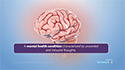
Anxiety is a natural response to stress, and is characterized by feelings of worry, nervousness, or fear. It is a normal part of life when dealing with stressful situations, but when anxiety becomes excessive or persistent, it can interfere with daily activities and be classified as an anxiety disorder.
Types of Anxiety Disorders
The various types of anxiety disorders include the following:
- Generalized Anxiety Disorder (GAD): Characterized by chronic, excessive worry about various aspects of daily life.
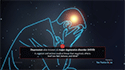
- Panic Disorder: Involves recurrent, unexpected panic attacks and a persistent concern about having more attacks.
- Social Anxiety Disorder: Marked by an intense fear of social situations where one might be judged or scrutinized by others.
- Specific Phobias: These involve an intense fear of a specific object or situation, such as heights, flying, or spiders.
- Obsessive-Compulsive Disorder (OCD): Characterized by unwanted, persistent thoughts (obsessions) and repetitive behaviors (compulsions).
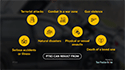
- Post-Traumatic Stress Disorder (PTSD): Develops after exposure to a traumatic event, and involves symptoms like flashbacks, nightmares, and severe anxiety
Causes
The causes of anxiety may include:
- Genetics: A family history of anxiety disorders can increase the risk.
- Brain Chemistry: Imbalances in neurotransmitters like serotonin and dopamine can contribute to anxiety.
- Environmental Factors: Stressful life events, trauma, or a lack of social support can trigger anxiety.
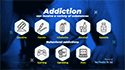
- Medical Conditions: Chronic illnesses, substance abuse, or other psychiatric conditions can be linked to anxiety.
Signs and Symptoms
Typical symptoms of anxiety may include:
- Excessive worry or fear
- Feeling restless or on edge
- Difficulty concentrating
- Irritability
- Unexplained aches and pains
- Sleep disturbances
- A pounding or rapid heartbeat
- Shortness of breath
- Dizziness
- Trembling
- Sweating
- Gastrointestinal (GI) issues
Diagnosis
Diagnosing anxiety involves a comprehensive evaluation by a healthcare professional. The process typically includes:
- A review of personal and family medical history, including any history of mental health disorders.
- A detailed discussion of current symptoms, their duration, and their impact on daily life.
- Questionnaires and self-report scales, such as the Hamilton Anxiety Rating Scale (HAM-A) or Beck Anxiety Inventory (BAI) to quantify the severity of the anxiety symptoms.
Diagnosis is often made based on criteria outlined in the Diagnostic and Statistical Manual of Mental Disorders (DSM-5) published by the American Psychiatric Association. Each anxiety disorder has specific criteria that must be met for a diagnosis.
Treatment
Treatment for anxiety disorders typically includes:
- Therapy: Cognitive Behavioral Therapy (CBT) is highly effective for treating anxiety disorders. Other forms of therapy include exposure therapy, dialectical behavior therapy (DBT), and mindfulness-based therapies. These therapies help individuals identify and change negative thought patterns and behaviors.
- Medication: Antidepressants (SSRIs and SNRIs), benzodiazepines, beta-blockers, and other medications can help manage symptoms.
- Lifestyle Changes: Regular exercise, a healthy diet, sufficient sleep, and stress-management techniques like meditation and yoga can help reduce anxiety.
- Support Groups: Sharing experiences and coping strategies with others who have similar issues can provide relief and support.
Summary
Anxiety is a common mental health condition characterized by feelings of worry, nervousness, or fear that are strong enough to interfere with one's daily activities. Seeking help from a healthcare professional is crucial for an accurate diagnosis and appropriate treatment plan.