Depression
Depression, also known as major depressive disorder (MDD) or clinical depression, is a common and serious medical illness that negatively affects how you feel, behave, and think. It causes feelings of sadness and/or a loss of interest in activities once enjoyed. Depression can lead to a variety of emotional and physical problems, and can decrease a person's ability to function at work and at home.
Types of Depression
Some of the common types of depression include:
- Major Depressive Disorder (MDD): This is the most severe form of depression, interfering with a person’s ability to work, sleep, study, eat, and enjoy life in general.
- Persistent Depressive Disorder (PDD): This is a depressed mood lasting for at least two years.
- Bipolar Disorder: This is marked by alternating episodes of mania/hypomania and depression.
- Seasonal Affective Disorder (SAD): This is depression that occurs at a specific time of year, usually in the winter.
- Postpartum Depression: This is a serious depression that can occur after childbirth.
- Premenstrual Dysphoric Disorder (PMDD): This is depression that occurs in women about a week before menstruation.
- Disruptive Mood Dysregulation Disorder (DMDD): This is depression of children and youths aged 6 to 18.
Causes
Depression can result from a complex interaction of social, psychological, and biological factors. Some common causes include:
- Brain chemistry: Changes in the brain’s neurotransmitter levels likely play a role in depression.
- Biological differences: Individuals with depression seem to have measurable physical changes in their brains.
- Inherited traits: Depression is more common in individuals whose blood relatives also have this condition.
- Hormones: Changes in the body's balance of hormones may be involved in causing or triggering depression.
- Medical Conditions: Certain conditions such as chronic illnesses and chronic pain can lead to depression.
- Life events such as trauma, loss of a loved one, a difficult relationship, or any stressful situation.
Signs and Symptoms
Some common symptoms of depression include:
- A persistent sad, anxious, or "empty" mood
- Loss of interest or pleasure in hobbies and activities once enjoyed
- Changes in appetite or weight
- Trouble sleeping or oversleeping
- Loss of energy or increased fatigue
- Difficulty thinking, concentrating, or making decisions
- Feelings of worthlessness or guilt
- Thoughts of death or suicide
Diagnosis
The diagnosis is often based on criteria outlined in the Diagnostic and Statistical Manual of Mental Disorders (DSM-5). A doctor or mental health professional will diagnose depression through a physical exam, a series of questions about medical history and symptoms, and sometimes a questionnaire. Laboratory tests may also be conducted to rule out other conditions.
Treatment
Fortunately, depression is one of the most treatable mental disorders. Around 80 to 90 percent of people with depression eventually respond well to treatment, and almost all patients gain some relief from their symptoms. Treatment options include:
- Medications: Antidepressants can help modify one's brain chemistry.
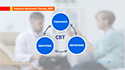
- Psychotherapy: Also known as talk therapy, can help patients manage their depression.
- Lifestyle changes: Regular exercise, a healthy diet, and proper sleep can improve symptoms.
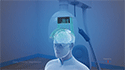
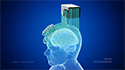
- Other treatments: Depending on the severity, electroconvulsive therapy (ECT) or other brain stimulation therapies may be considered.
- Alternative Therapies: Treatment for depression also includes alternative therapies such as acupuncture, relaxation techniques such as yoga or Tai Chi, and meditation or mindfulness.
Summary
Depression is a serious mental health condition that can affect virtually every aspect of an individual’s life. It can be temporary, or it can be a long-term challenge. If you or someone you know is experiencing symptoms of depression, it is important to seek professional help. With proper diagnosis and treatment, the vast majority of individuals with depression can live healthy and fulfilling lives.