Obsessive Compulsive Disorder
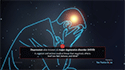
Obsessive-compulsive disorder (OCD) is a mental health condition characterized by unwanted and intrusive thoughts (obsessions) and repetitive behaviors or mental acts (compulsions) aimed at reducing the distress caused by these obsessions.
Causes
The exact cause of OCD is unknown, but several factors may play a role. These include:
- Genetic Factors: OCD tends to run in families, suggesting a genetic component.
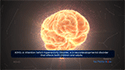
- Brain Structure and Function: Differences in brain function and structure, particularly in areas related to decision-making and behavioral responses, may contribute to OCD.
- Environmental Factors: Traumatic events, infections, or significant stress can trigger the onset of OCD in susceptible individuals.
Signs and Symptoms
There are two parts to this disorder: obsession and compulsion.
Obsessions: These are intrusive and unwanted thoughts, images, or urges that cause significant anxiety or distress. Common themes include:
- Fear of contamination or dirt
- Need for symmetry or order
- Aggressive or horrific thoughts about harming oneself or others
- Unwanted thoughts involving religion, sex, or violence
Compulsions: These are repetitive behaviors or mental acts that a person feels driven to perform in response to an obsession. These actions are meant to prevent or reduce anxiety or prevent a feared event or situation. Common compulsions include:
- Excessive cleaning or handwashing
- Ordering or arranging things in a precise way
- Checking things repeatedly (for example, if the door is locked)
- Counting, tapping, repeating certain words, or performing other ritualistic behaviors
Diagnosis
Diagnosis is typically made by a mental health professional based on a thorough assessment, including a clinical interview and possibly standardized questionnaires. The Diagnostic and Statistical Manual of Mental Disorders (DSM-5) criteria are often used to diagnose OCD. To be diagnosed with OCD, a person must experience obsessions, compulsions, or both, and these must significantly interfere with daily life.
Treatment
OCD is usually treated with a combination of therapies:
- Cognitive Behavioral Therapy (CBT): Specifically, Exposure and Response Prevention (ERP), is particularly effective. ERP involves gradual exposure to feared objects or ideas while preventing the compulsive behavior.
- Medication: Selective Serotonin Reuptake Inhibitors (SSRIs) are commonly prescribed to help reduce the symptoms of OCD.
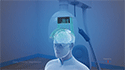
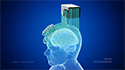
- Other Therapies: In some cases, other types of medication, such as antipsychotics, or therapies like deep brain stimulation may be considered.
Management
Living with OCD often requires ongoing management, which can include:
- Continuing therapy and medication
- Stress management techniques
- Support groups and networks
- Education and awareness about the disorder
Summary
Obsessive-compulsive disorder can significantly impact a person’s quality of life, but with appropriate treatment and support, many people with OCD can achieve significant relief from their symptoms and lead fulfilling lives.