Platelet Rich Plasma Injection (PRP)
Our blood consists of a liquid component known as plasma. It also consists of three main solid components which include red blood cells (RBCs), white blood cells (WBCs), and platelets. Platelets play an important role in forming blood clots. They also consist of special proteins, known as growth factors, which help with our body’s healing process. Platelet-rich plasma or PRP is a high concentration of platelets and plasma. A normal blood specimen contains only 6% platelets, while platelet-rich plasma contains 94% of platelets and 5 to 10 times the concentration of growth factors found in normal blood, thus greater healing properties.
Indications
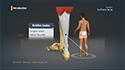
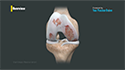
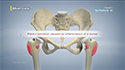
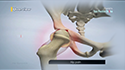
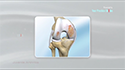
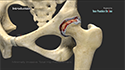
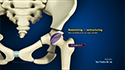
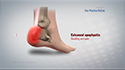
PRP is a relatively new method of treatment for several orthopaedic conditions such as muscle, ligament, and tendon injuries; arthritis; and fractures. PRP injections can help alleviate painful symptoms, promote healing and delay joint replacement surgeries.
Procedure
A routine blood draw is performed, and anywhere between 30mL and 120mL of blood is taken depending on what is needed to make the best PRP preparation according to your needs.
The blood is then spun in a centrifuge machine for about 10 to 15 minutes to separate the platelets from the remaining blood components.
The injured part of your body is then anesthetized with a local anesthetic. The platelet-rich portion of your blood is then injected into your affected area. In some cases, your doctor may use ultrasound guidance for proper needle placement.
Post-Procedural Care
- It is normal to feel some discomfort at the injection site for a few days after your procedure.
- You will be prescribed pain medications by your doctor.
- You may use cold compresses to alleviate your symptoms.
- You will be instructed to stop any anti-inflammatory medications.
- You may resume your normal activities but should avoid any strenuous activities such as heavy lifting or exercises.
Risks and complications
There are very minimal risks associated with PRP injections. Some of the potential risks include:
- increased pain at the injection site
- Infection
- Damage to adjacent nerves or tissues
- Formation of scar tissue
- Calcification at the injection site
Summary
Platelet-rich plasma injections are a promising technique to help relieve painful orthopedic conditions and promote healing. It is a relatively new concept and most patients benefit with alleviation of symptoms and a quicker recovery.