Aneurysm Repair
Aneurysm repair is a surgical procedure performed to treat an aneurysm.
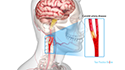
An aneurysm is an abnormal bulging or ballooning in the wall of a weakened blood vessel, usually an artery. An aneurysm can develop anywhere along the artery. The blood passing through the vessel exerts pressure at the point of the aneurysm, causing it to bulge outward. Aneurysms pose a serious risk because if the bulging stretches the artery too far, the vessel may rupture or burst, causing a person to bleed to death. An aneurysm that bleeds into the brain can lead to stroke or death.
Aneurysm repair surgery involves replacing or reinforcing the weakened section of the vessel with an artificial tube called a graft.
Indications
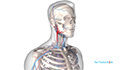
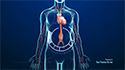
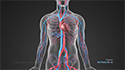
Aneurysm repair is mostly employed for the treatment of an aortic aneurysm. The aorta is the largest and the main artery in the body that carries oxygen-rich blood from your heart to the rest of the body. The aorta extends from the chest to the abdomen, where it branches into the iliac arteries. The iliac arteries carry blood to the lower regions of the body and to the legs.
- An aneurysm that occurs in the segment of the aorta that descends down the chest is called a thoracic aortic aneurysm or TAA.
- An aneurysm that occurs in the segment of the aorta that passes through the abdomen is called an abdominal aortic aneurysm or AAA. This is the most common type of aortic aneurysm.
Preparation
Preoperative preparation for aneurysm repair will involve the following:
- A comprehensive medical evaluation, routine blood tests, and imaging studies such as CT scans and MRIs.
- Informing your doctor of any allergies to medications, anesthesia, or latex
- Providing your physician with a list of any medications or supplements you are taking
- You may need to adjust or temporarily stop certain medications, especially those that can affect blood clotting
- Disclosing any recent illnesses or other medical conditions you may have
- Stopping smoking, as it can impact the healing process and increase the risk of complications
- Abstaining from food or drink for at least 8 hours prior to the surgery
- Signing an informed consent form
Surgical procedure
Aneurysm repair surgery is usually performed under general anesthesia. There are two main types of aneurysm repair:
Open Surgical Repair:
- In this approach, your surgeon makes an incision in the abdomen (for abdominal aneurysms) or the chest (for thoracic aneurysms).
- A clamp is placed on the artery above and below the aneurysm to temporarily stop blood flow to the weakened part of the aorta. Your heart and brain will continue to receive blood flow as other vessels take over.
- The damaged or bulging section of the aorta is removed and replaced with a stent graft, a fabric-covered metal mesh tube that is sewn in place.
- The clamps are then removed slowly to allow blood to flow through the vessel again.
- This method is typically used for larger aneurysms or those in complex locations.
Endovascular Repair (Endovascular Aneurysm Repair or EVAR):
- This is a less invasive procedure where the surgeon accesses the aneurysm through a blood vessel, usually the femoral artery in the groin.
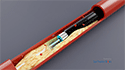
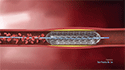
- A catheter attached with a stent graft is guided through the femoral artery and to the treatment area under live X-ray imaging.
- Your surgeon inserts the graft into the aneurysm and seals the aneurysm from within to keep it from rupturing.
- Endovascular repair is often used for abdominal aortic aneurysms (AAAs) and, in some cases, for thoracic aortic aneurysms (TAAs). This procedure can eliminate the need for open surgical repair.
Postoperative care
After the surgery, you will be transferred to an observation room or intensive care unit (ICU) depending on the type of aneurysm repair (open surgery or endovascular), your overall health, and any individual factors. In general, your postoperative care may involve the following:
- Continuous monitoring of your vital signs including blood pressure, heart rate, respiratory rate and temperature, and fluid and electrolyte levels in the body
- You may be prescribed medications to manage pain, prevent infection, and control blood pressure. In cases where blood clotting may be an issue, anticoagulant or antiplatelet medications may be prescribed.
- Your diet is gradually advanced, starting with clear liquids and progressing to solid food as tolerated.
- You are advised to avoid strenuous activities for a certain period, and to gradually resume your normal activities under the guidance of your physician.
- Depending on the underlying cause of the aneurysm, lifestyle modifications such as quitting smoking, managing blood pressure, and following a heart-healthy diet may be emphasized.
- Regular follow-up appointments will be scheduled to monitor your progress.
Risks and Complications
As with any surgery, aneurysm repair, whether through an open or endovascular approach, carries certain risks and complications. These include:
- Infection
- Bleeding
- Damage to nearby organs
- Graft-related issues, such as device migration
- Wound complications, such as poor wound healing
- Cardiovascular complications, such as arrhythmias or myocardial infarction (heart attack)
- Formation of blood clots, leading to complications such as deep vein thrombosis (DVT) or pulmonary embolism
Summary
Aneurysm repair is a medical procedure to treat a weakened area of an artery that bulges or expands, and can lead to a life-threatening condition if it ruptures. A common aneurysm location is in the aorta, the main artery of the body, which carries oxygenated blood from the heart to the rest of the body. The primary goal of aneurysm repair is to prevent rupture and any associated life-threatening complications.