Brostrom Repair
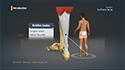
Brostrom repair, also known as lateral ankle ligament reconstruction, is a surgical procedure used to treat chronic ankle instability, typically resulting from severe or recurrent ankle sprains that have not responded well to conservative treatments. The procedure involves repairing and tightening the lateral (outer) ligaments of the ankle, primarily the anterior talofibular ligament (ATFL) and the calcaneofibular ligament (CFL). These ligaments function by keeping your ankle and foot steady and preventing the ankle from turning inward or twisting.
Indications
A surgeon typically recommends a Brostrom repair in the following scenarios:
- Chronic ankle instability
- Recurrent ankle sprains
- Failure of conservative treatments such as physical therapy, bracing, or medications
Preparation
In general, preparation for a Brostrom repair may include the following:
- Physical examination and imaging studies (X-rays, MRI) to confirm the diagnosis and plan the surgery
- A review of your medical history, medications, and any allergies
- You should refrain from certain medications and supplements that may complicate surgery
- You should avoid food and drink after midnight the night prior to your surgery
- Arrange for a drive to and from the hospital as well as for help at home
- Signing an informed consent form
Surgical procedure
In general, Brostrom repair surgery includes the following steps:
- You will be administered general or regional anesthesia.
- You will be positioned on the operating table, usually lying on your back with the affected leg elevated and supported.
- A small incision is made on the lateral (outer) side of the ankle to access the damaged ligaments.
- The surgeon carefully separates the surrounding tissues to expose the anterior talofibular ligament and the calcaneofibular ligament.
- The damaged ligaments are examined to determine the extent of the injury.
- The torn or stretched ligaments are shortened and reattached to the bone, often using sutures or anchors.
- In some cases, additional tissue (such as a graft) may be used to reinforce the repair.
- Finally, the incision is closed with sutures or staples, and a sterile dressing is applied.
Postoperative care
In general, postoperative care for Brostrom repair may include the following:
- The ankle is immobilized in a cast, splint, or boot for several weeks to protect the repair and allow healing.
- Pain-relief medications are provided as needed.
- Non-weight-bearing activities are recommended for a defined period.
- Once the initial healing period is over, physical therapy begins. This involves exercises to restore range of motion and strength.
- Gradual progression from non-weight-bearing to full weight-bearing activities is guided by the physical therapist and surgeon.
- Most patients can expect to return to normal activities, including sports, within 3 to 6 months.
Risks and Complications
Brostrom repair is a relatively safe and effective procedure; however, as with any surgery, it may involve some risks and complications, such as:
- Swelling
- Stiffness or instability
- Infection
- Bleeding
- Nerve damage or numbness
- Anesthesia-related complications
- Blood clots or deep vein thrombosis (DVT)
Summary
Brostrom repairs generally have high success rates, with many patients experiencing significant improvement in ankle stability and function. The goal of the surgery is to restore stability to the ankle by repairing and tightening the damaged lateral ligaments. Proper postoperative care and adherence to rehabilitation protocols are crucial for ensuring a successful outcome.