Distal Femoral Osteotomy
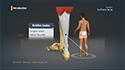
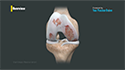
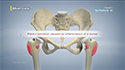
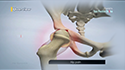
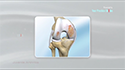
An osteotomy is a surgical procedure that involves cutting of bone. The distal femur is the part of the femur (thighbone) just above the knee joint. Distal femoral osteotomy is performed to correct knee misalignment that may lead to excessive loading and degeneration of one side of the knee joint. The procedure involves cutting the distal femur, repositioning the bones, and securing them in proper alignment. This surgery is usually performed in young active or middle-aged patients with a knock-kneed deformity or arthritis, and can defer the need for a knee replacement by 5 to 15 years.
Indications
Malalignment of the bones at the knee joint may be present at birth, or may occur due to trauma or arthritis. There are two common types of deformity:
- Genu varum: The tibia (shinbone) turns inwards in relation to the femur, causing a bow-legged deformity.
- Genu valgus: The tibia turns outwards in relation to the femur, causing a knock-knee deformity
A distal femoral osteotomy is recommended if you have a genu valgus deformity causing degeneration in the outer (lateral) part of the knee.
During a distal femoral osteotomy, the femur is lined up surgically so that the femoral axis passes through the center of the knee, thereby relieving pressure on the damaged side of the knee joint.
Preparation
Preoperative preparation for a distal femoral osteotomy includes:
- Detailed imaging studies (X-rays, CT scans, MRIs) are used to evaluate the degree of malalignment and to plan the osteotomy.
- The precise angle and location of the bone cut (osteotomy) are determined based on preoperative measurements. The goal is to shift the weight-bearing axis of the knee to a healthier part of the joint.
- A review of your medical history, medications, and allergies.
- You may need to adjust or temporarily stop taking certain medications - especially those that can affect blood clotting.
- Disclosing any recent illnesses or other medical conditions you may have
- Abstaining from food or drink for at least 8 hours prior to surgery
Surgical procedure
In general, distal femoral osteotomy surgery is performed under general or regional anesthesia and may involve the following steps:
- A lateral (outer) incision is made on the distal femur, typically just above the knee joint.
- The underlying muscles and tissues are carefully retracted to expose the distal femur.
- A guide is used to create the bone cut. Depending on the correction required, the osteotomy may be a wedge-shaped cut (closing wedge or opening wedge).
- Closing Wedge Osteotomy: A wedge of bone is removed, and the remaining bone ends are brought together to correct the deformity.
- Opening Wedge Osteotomy: A cut is made in the bone, and the gap is opened up to achieve the desired correction. The gap is often filled with a bone graft or a bone substitute. Most osteotomies done are opening wedge.
- The femur is realigned to correct the valgus deformity. The goal is to shift the mechanical axis of the leg so that the weight-bearing line passes through the center of the knee, reducing stress on the damaged compartment.
- The realigned bone is stabilized using internal fixation devices such as plates and screws. These devices hold the bone securely in place to allow for proper healing.
- After confirming the correct alignment and secure fixation, the incision is closed in layers using sutures or staples, and a sterile dressing is applied to the wound.
Postoperative care
Initially, the patient may need to use crutches or a walker to avoid putting weight on the affected leg. Pain management is provided as needed, and weight-bearing is gradually increased based on the surgeon's assessment and the patient's progress. A structured physical therapy program is essential for restoring range of motion, strength, and function. Exercises begin with gentle range-of-motion activities and progress to strengthening and balance exercises. Regular follow-up visits with the surgeon are necessary to monitor the healing process through clinical assessments and X-rays. Adjustments to the rehabilitation program may be made based on progress.
Risks and Complications
Potential risks and complications associated with a distal femoral osteotomy include:
- Infection
- Bleeding
- Nonunion or malunion of bone
- Hardware complications/failure
- Nerve or blood vessel injury
- Blood clots or deep vein thrombosis (DVT)
- Adverse reactions to anesthesia
Summary
Distal femoral osteotomy is a surgical procedure used to treat knee conditions, particularly those involving malalignment or deformities of the distal femur. This procedure is often indicated for younger, active patients with arthritis or a deformity localized to one compartment of the knee. The goal of the surgery is to realign the knee joint to reduce pain and slow the progression of arthritis by redistributing the load across the joint.