LET - Lateral Extra-Articular Tenodesis
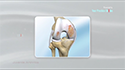
Lateral extra-articular tenodesis (LET) is a surgical procedure typically used as an adjunct to anterior cruciate ligament (ACL) reconstruction, particularly in cases where there is a high risk of rotational instability. The procedure involves the use of a strip of tissue, usually taken from the iliotibial band (IT band), which is a thick band of fibrous tissue that runs along the outside of the thigh. The purpose is to reinforce the lateral side of the knee in order to control excessive rotation, particularly in patients who might not achieve optimal stability through ACL reconstruction alone.
LET is not typically performed as a standalone procedure, but as a supplementary procedure to improve outcomes in ACL reconstruction, particularly in high-risk patients.
Indications
LET is often considered for patients with high-risk factors for ACL graft failure, such as those with generalized ligamentous laxity (GLL), previous ACL reconstruction failure, or significant pivot shift during examination. LET helps to provide additional stability, especially in cases where the ACL injury is complex, or the patient is involved in high-demand sports that require cutting, pivoting, or quick directional changes. Studies suggest that combining LET with ACL reconstruction may reduce the risk of re-injury, particularly in high-risk patients, by better controlling rotational forces on the knee.
Preparation
In general, lateral extra-articular tenodesis may involve the following:
- A comprehensive medical evaluation, including a review of your medical history, medications, allergies, and possibly conducting additional testing such as blood tests and imaging studies to assess your overall health and suitability for the procedure.
- Your surgeon will provide other specific preoperative instructions, such as:
- Medication management: Adjusting or stopping certain medications that can thin the blood and increase the risk of bleeding during surgery, or interfere with healing.
- Fasting: Typically, you will be asked to fast for a certain period before surgery.
- Smoking cessation: If you smoke, quitting or reducing smoking can improve surgical outcomes and healing.
- Transportation: Plan for transportation to and from the hospital or surgical center on the day of the surgery; this may require the assistance of a friend or relative.
Surgical procedure
Lateral extra-articular tenodesis is usually performed under general or regional anesthesia, and may involve the following steps:
- A small incision, typically about 4-6 cm, is made along the lateral aspect of the knee, just above the lateral femoral epicondyle (bony prominence on the outer side of the knee).
- A strip of the IT band, usually around 7-8 mm wide, is harvested from the outer thigh. The strip is left attached proximally (near its origin) to maintain blood supply, and is then mobilized.
- The surgeon creates a small tunnel under the lateral collateral ligament (LCL), or a sub-periosteal (under the outer layer of bone) passage along the femoral epicondyle.
- This tunnel will accommodate the graft, allowing it to reinforce the lateral side of the knee.
- The IT band strip is passed under the LCL through the created tunnel or passage.
- The graft is then fixed securely to the femur using screws, suture anchors, or other fixation devices, depending on the technique, and surgeon’s preference.
- The graft may also be fixed to the tibia for added stability, especially in cases of severe rotational instability.
- The graft is tensioned so that it provides adequate resistance to rotational forces without over-constraining the knee.
- The knee is taken through its full range of motion to confirm that the graft functions as intended.
- The incision is closed in layers, ensuring the IT band is re-approximated (joined neatly), and the skin is closed with sutures or staples.
- A sterile dressing is applied to the wound.
Postoperative care
After surgery, you will receive instructions regarding taking medications to manage pain, inflammation, and potential infection. You will receive advice on activity restrictions to reduce swelling and promote healing, as well as instructions on assistive devices for walking, such as crutches. You will be given advice on how to keep the surgical incision clean and dry, and information on diet and nutrition to support healing and recovery.
You will undergo a structured rehabilitation program - usually the first few days after surgery. This program includes exercises to restore knee mobility, strength, and function. Your orthopedic surgeon will schedule follow-up appointments to monitor your progress, evaluate the success of the surgery, and make any necessary adjustments to your rehabilitation plan.
Risks and Complications
The risks and complications associated with lateral extra-articular tenodesis surgery may include:
- Infection
- Bleeding
- Nerve or blood vessel injury
- Stiffness or reduced range of motion
- Persistent pain
- Graft failure or rupture
- Blood clots or deep vein thrombosis (DVT)
Summary
Lateral extra-articular tenodesis is a surgical procedure typically performed to enhance the stability of the knee, particularly in patients undergoing anterior cruciate ligament (ACL) reconstruction. The procedure is used to address rotational instability in the knee, which may persist even after ACL reconstruction. The benefits of LET following ACL surgery may include decreased re-tear rates, greater rotational stability, and improved return to normal activities.